Mantenha-se atualizado com as últimas notícias da empresa BK Helmet, lançamentos de novos produtos, tendências da indústria de capacetes para motociclistas, atualizações de padrões de segurança internacionais e anúncios de exposições globais.
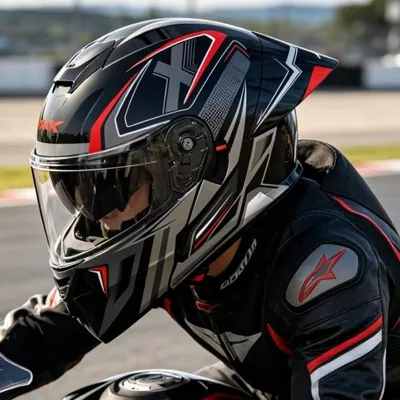
Este texto descreve o rigoroso processo de testes para capacetes de corrida: cada lote passa por avaliações abrangentes – incluindo testes de impacto em vários pontos, bem como avaliações do casco, forro, viseira e sistema de retenção – seguidas por uma inspeção manual de cada capacete individual antes de ser embalado. A principal conclusão é que a verdadeira confiabilidade de um capacete não reside em sua aparência, mas nesses testes invisíveis e procedimentos de controle de qualidade.
A fábrica cuida internamente da aplicação de revestimentos antirriscos e antiembaçantes para viseiras de capacete, em vez de terceirizar o processo. O revestimento rígido anti-riscos reduz arranhões, embaçamento e brilho, prolongando assim a vida útil das viseiras. O revestimento antiembaçante deve estar firmemente aderido à superfície – simplesmente aplicá-lo como uma camada superficial é insuficiente e levaria a uma falha rápida. A fábrica realiza testes respiratórios manuais diários em unidades amostradas; embora esse método seja demorado, ele permite a detecção precoce e a rejeição de lotes abaixo do padrão. Ambos os revestimentos são recursos padrão em todas as viseiras que saem da fábrica – um fator crítico para a satisfação do usuário a longo prazo e a reputação da marca – e a fábrica está totalmente preparada para fornecer aos clientes especificações detalhadas sobre esses revestimentos.
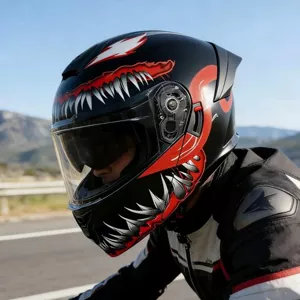
Este artigo apresenta os serviços de personalização de marca própria OEM oferecidos por um fabricante de capacetes. Os clientes não precisam projetar produtos do zero; eles simplesmente selecionam modelos certificados, enquanto o fabricante cuida dos detalhes da marca, como embalagens personalizadas, marcações na caixa, decalques, marca no forro interno e etiquetas nas pulseiras.
Este artigo é baseado em nossos registros internos de produção, listas de verificação de controle de qualidade e relatórios de testes de terceiros. Destina-se a compradores B2B que avaliam parceiros fabricantes de capacetes. Não é um conselho de segurança. Os requisitos do capacete variam de acordo com o modelo e o mercado de destino.
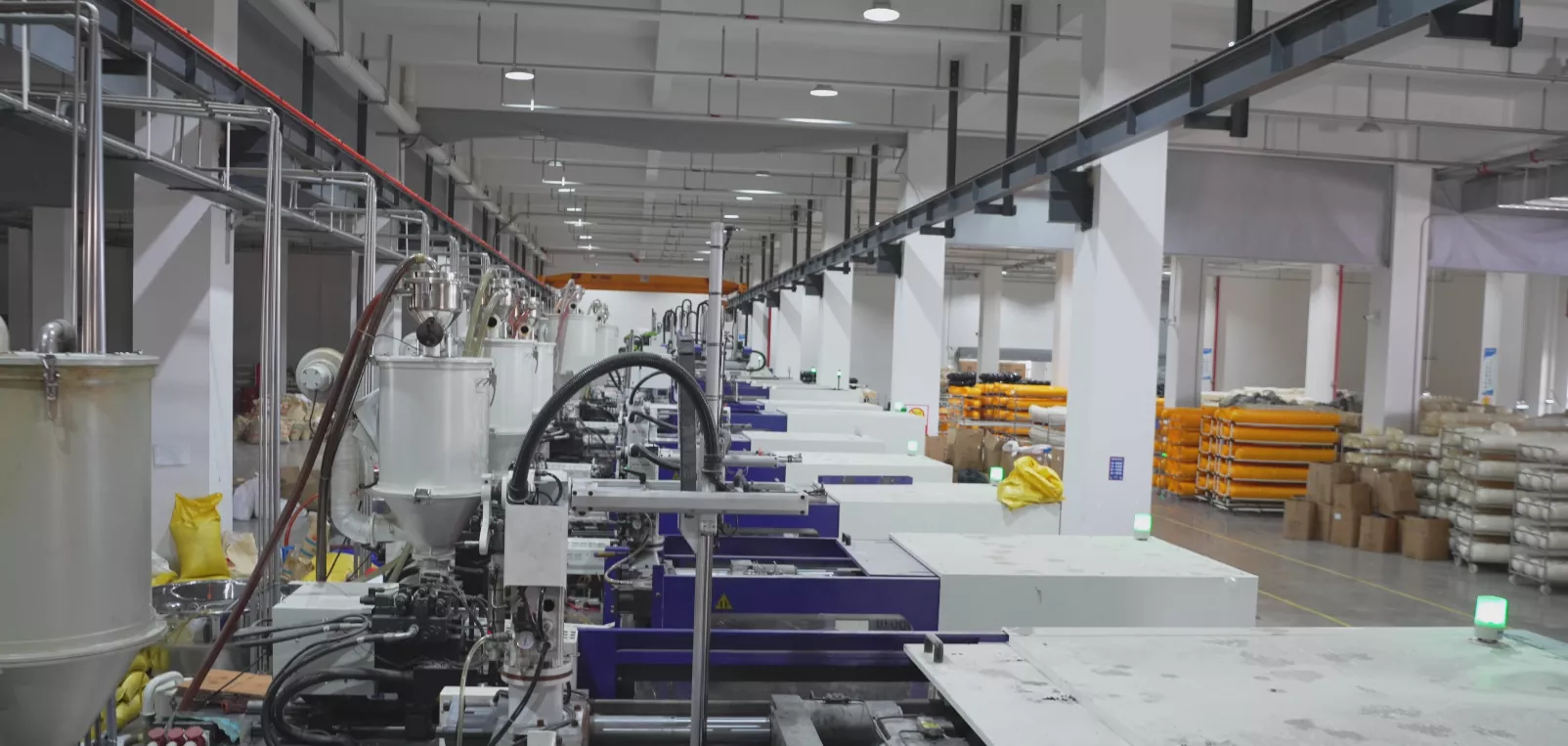
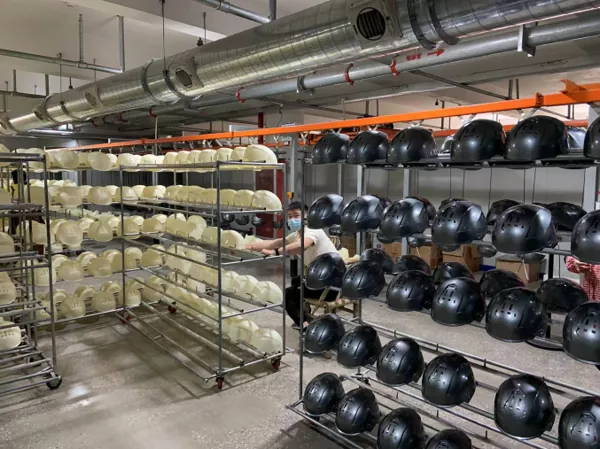
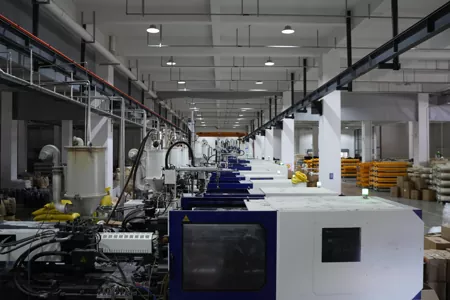
Nossa fábrica profissional de fabricação de capacetes realizou uma atualização completa nas principais linhas de produção, para atender à crescente demanda global por capacetes personalizados para motociclistas e oferecer serviços aprimorados de OEM e ODM para clientes internacionais. Focamos esta atualização na velocidade de produção, qualidade consistente do produto e personalização flexível. Agora estamos bem preparados para grandes encomendas e diversos projetos personalizados de distribuidores, marcas e varejistas globais.
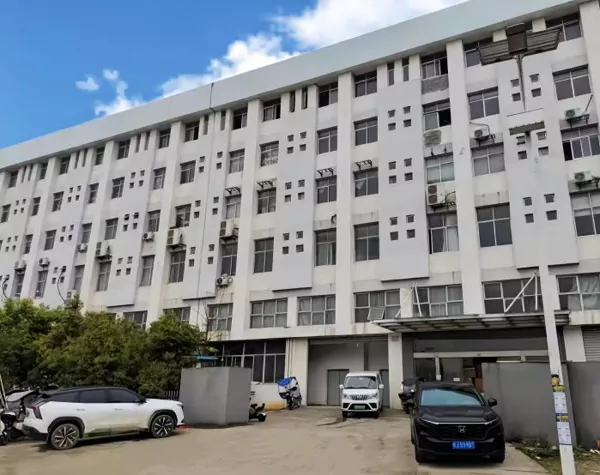
Qualidade consistente é essencial quando você compra capacetes para motociclistas a granel. Para distribuidores, atacadistas e marcas de motocicletas, não se trata apenas da aparência dos capacetes – segurança, desempenho e consistência entre lotes são igualmente importantes. É por isso que usamos inspeções AQL (Nível de Qualidade Aceitável) em todos os nossos pedidos de produção. Antes dos capacetes saírem de nossa fábrica, nós os verificamos em relação aos requisitos de qualidade acordados e às especificações do cliente para garantir que cada lote atenda aos padrões exigidos. Nosso objetivo é simples: manter a qualidade consistente do primeiro lote ao próximo, para que nossos clientes possam fazer pedidos com confiança e construir negócios de longo prazo conosco.
Utilizamos cookies para lhe oferecer uma melhor experiência de navegação, analisar o tráfego do site e personalizar o conteúdo. Ao utilizar este site, você concorda com o uso de cookies. política de Privacidade


 19 2026-10
  16 2026-10
  10 2026-10
  09 2026-10
  30 2026-09
  30 2026-09