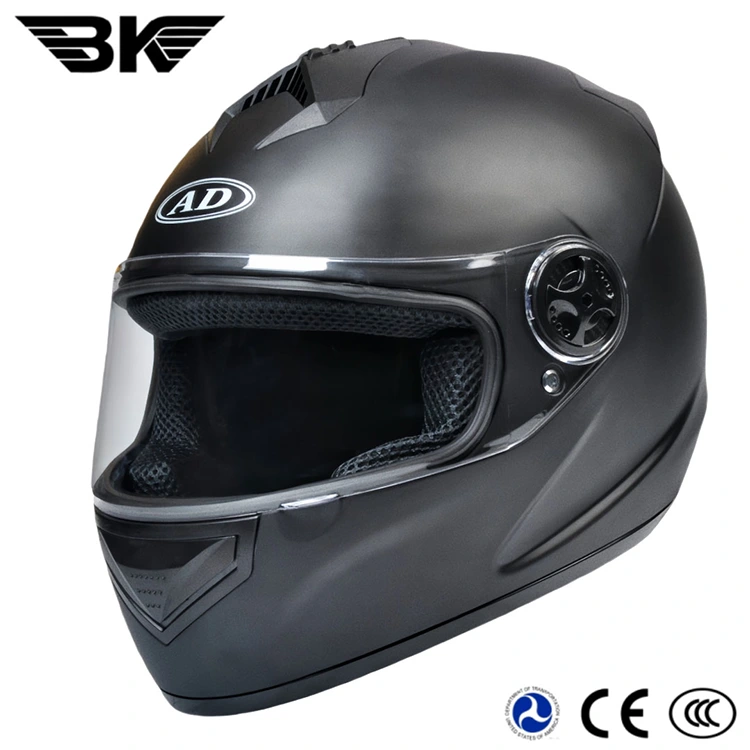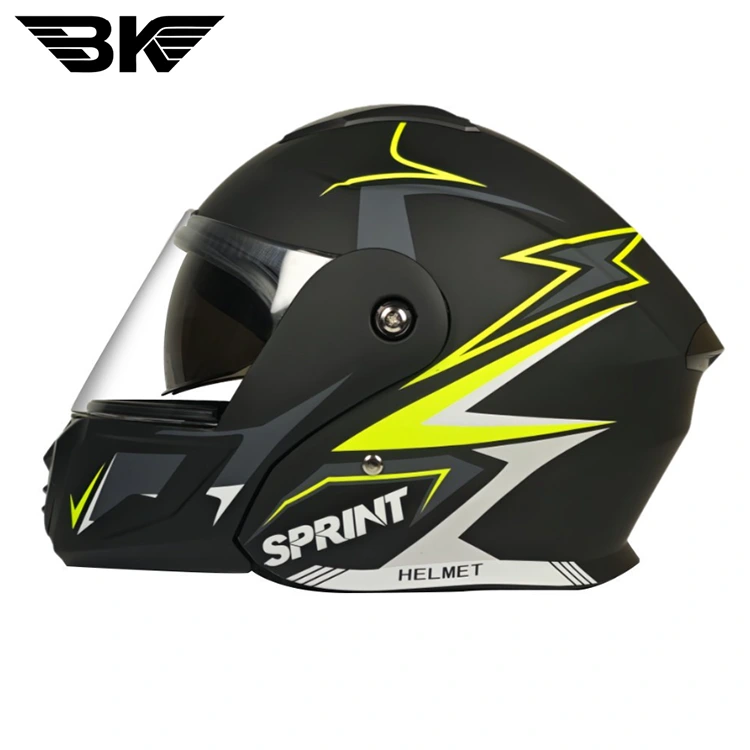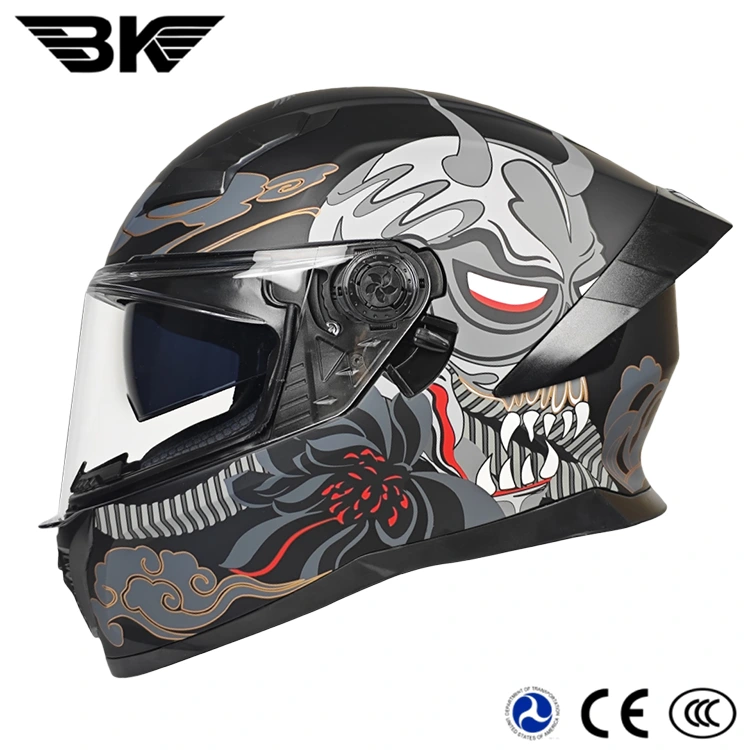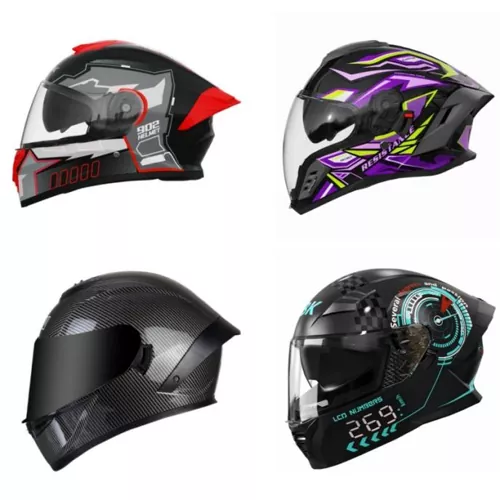

Many riders commute during the week and hit the trails on weekends, leading to a natural thought: can I just buy one helmet for everything? Unfortunately, the answer is no. Off-road helmets and cycling helmets are designed for entirely different starting points. Mixing them up not only results in a poor experience but can also create safety gaps.
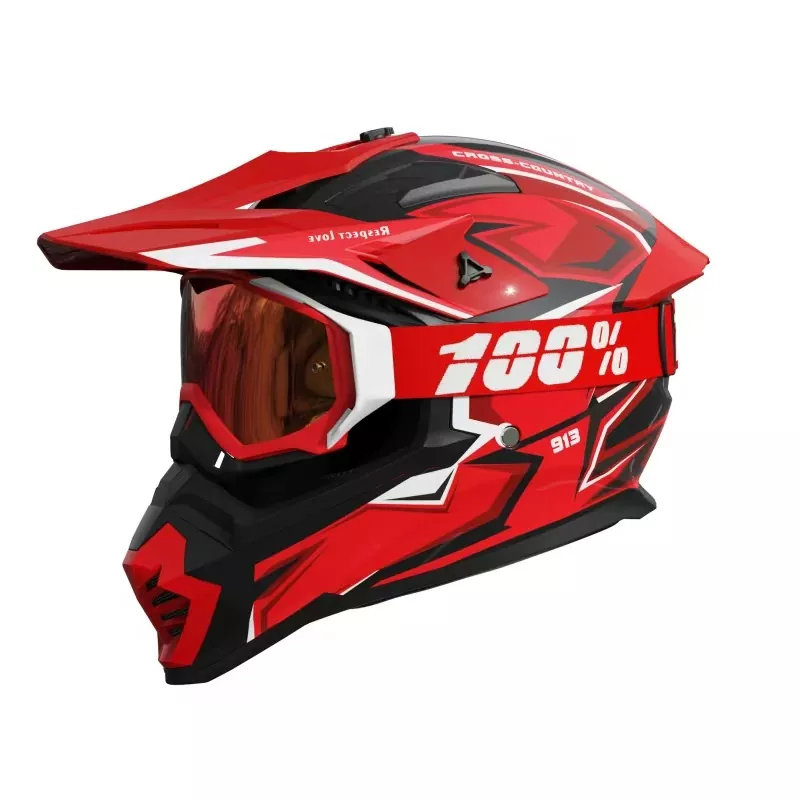
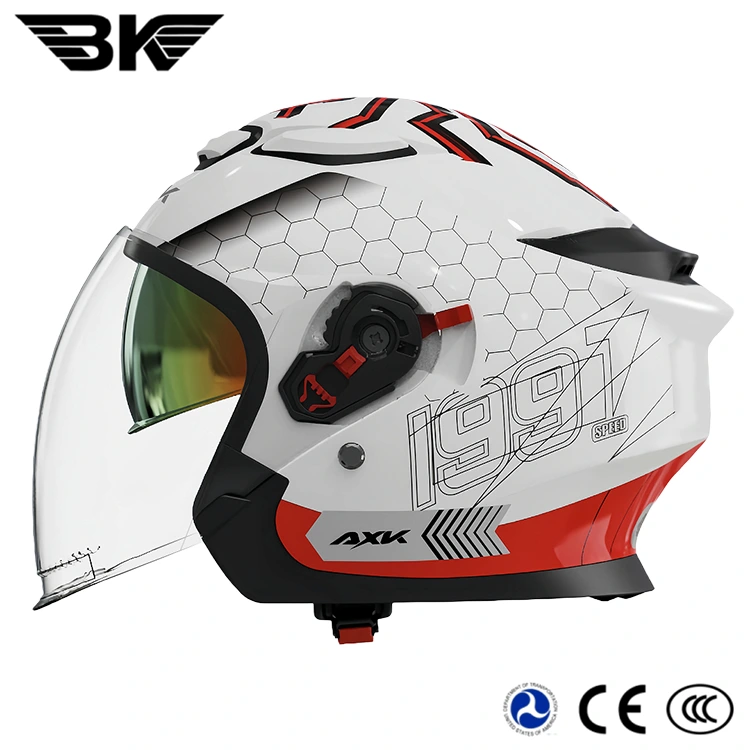
Cycling helmets lean into a shell that's deliberately smooth and rounded. The thinking behind that shape is pretty straightforward: if you hit the pavement, you want the helmet to slide rather than bite into the surface. That sliding action helps cut down the rotational forces that can wrench your neck in a crash. Off-road helmets, by contrast, go a completely different route. The chin bar on those is pushed forward and cut sharp—more angular, more pronounced. It's not for style. When you're launching off a jump or blasting through low-hanging branches and loose rocks, a solid frontal hit is a real possibility, and that extended chin bar is essentially your first wall of defense.The crash scenarios these two designs are built around couldn't be more different. A Cycling Helmet basically assumes you're going to hit the deck and slide along the ground. An off-road helmet assumes you might slam head-first into something that doesn't move.
Cycling helmet vents prioritize aerodynamic efficiency, maintaining airflow while minimizing wind noise. Off-road helmets do the exact opposite – they are packed with large intake vents, pursuing maximum air throughput. The reason is simple: off-road riding involves standing up, low speeds, and high physical exertion. The rider generates a lot of heat and needs a flood of air to wick away sweat. Street riding, by contrast, involves higher speeds where the wind itself carries heat away, making wind noise control a higher priority.
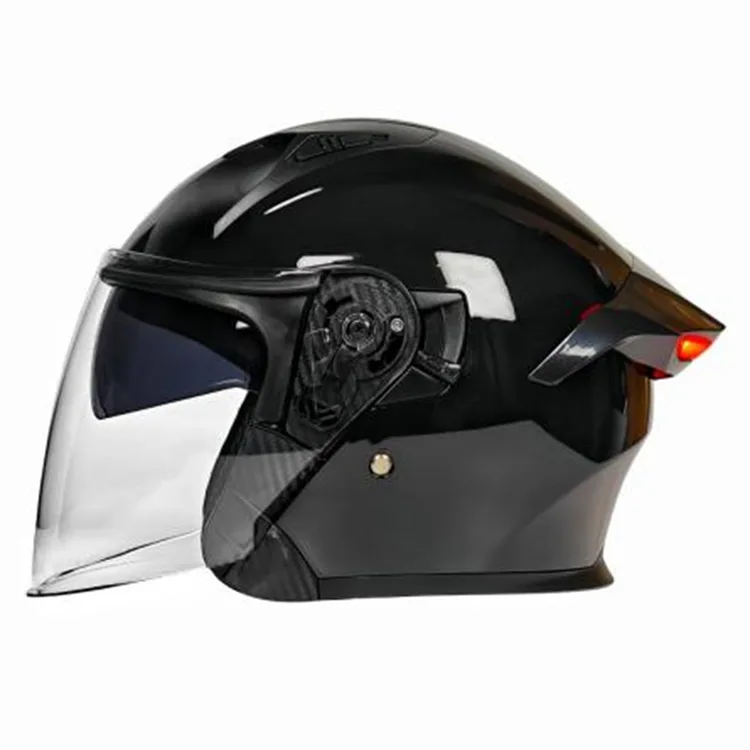
Cycling helmets rely on an adjustable transparent face shield—rain or shine, wind, bugs, you name it, that shield stays down and keeps your face covered. Off-road helmets, by contrast, do away with the shield altogether and give you a wide eye port that's purpose-built to pair with goggles. There's actually a very practical reason for that design choice. Off-road riding churns up ridiculous amounts of dust, and that fine grit has a nasty habit of fogging up the inside of a face shield and coating it in a layer you simply can't wipe off mid-ride. Goggles solve the whole problem: you can yank them off and clean them whenever you need to, and they seal up against your face way better when mud starts flying.
That big peak sticking out from an off-road helmet isn't something a designer sketched in just to look aggressive. Out on the trail, it's actually doing three jobs at once. First, it blocks low-angle sunlight that otherwise blasts right under your visor and leaves you squinting. Second, when you're threading through tight singletrack, it catches all those overhanging branches and flicks them aside before they have a chance to whip across your face. And third, the moment you inevitably eat dirt, that same peak acts like a mudguard, keeping the worst of the splatter off your goggles so you don't go instantly blind.
Cycling helmets, on the other hand, leave the peak off entirely—and it's not an oversight. Push one of those up to highway speeds, and any forward protrusion becomes a grab-handle for the wind. The air catches it, starts pulling the helmet upward, and you're left fighting a constant, irritating lift that quickly turns into a stiff, aching neck on a long stint. Two completely different worlds, and the designs reflect exactly that.
Off-road helmets are typically around 200 grams lighter than comparable cycling helmets. This is not due to structural compromises, but because the standing riding posture demands far more frequent head movement in all directions than a seated street position. Every extra gram is magnified over time. Reducing weight is a rigid requirement for off-road helmet design, not an optional bonus.
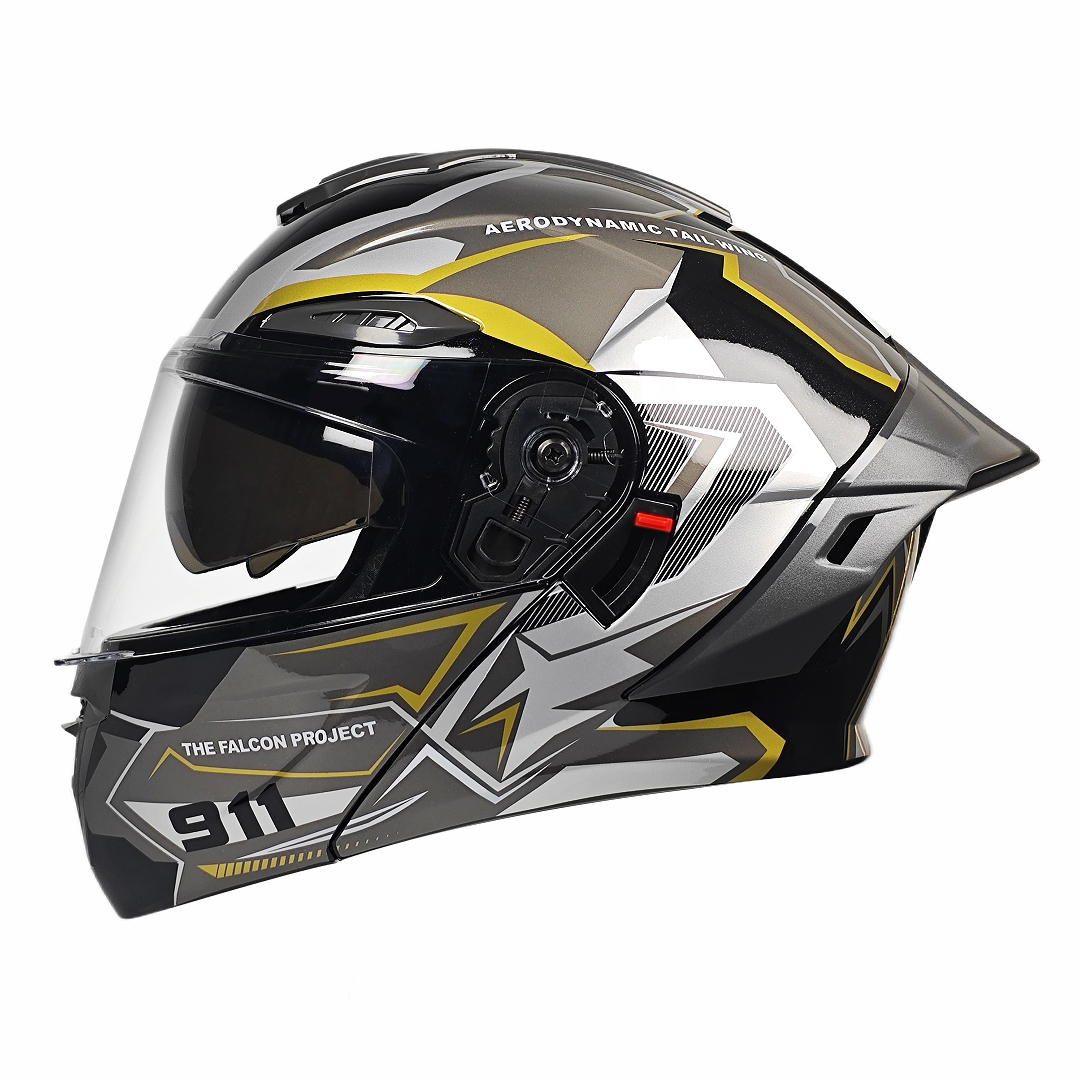
Wear an off-road helmet on the highway, and you'll be tortured by deafening wind noise and the pulling force on the peak. Wear a cycling helmet on a trail, and you'll quickly be forced to stop by overheating and the inability to wear goggles. If you participate in both types of riding, a "dual-sport helmet" is a compromise – it keeps the peak and wide eye port of an off-road helmet while adding a detachable face shield. But remember, a compromise means it won't excel in either scenario.
Honestly, off-road helmets and cycling helmets aren't about one beating the other—they're just purpose-built for totally different kinds of riding. Taking a closer look at how each one tackles protection, moves air, and handles visibility isn't some textbook exercise. It's really about matching the gear to where you actually ride. It's about getting honest with yourself regarding the kind of riding you actually do. The rule is simple: put on the helmet that's made for the road you're really taking.
Ningde Chief Pigeon Technology Co., Ltd. offers a comprehensive range of high-performance helmets covering off-road, street, and dual-sport categories, meeting diverse needs from trail riding to highway cruising. Contact us today for expert helmet selection guidance and find the one that perfectly matches your riding style.